Manufacturing Software Development Company
Your factory deserves software that scales with operational reality.
Introduction
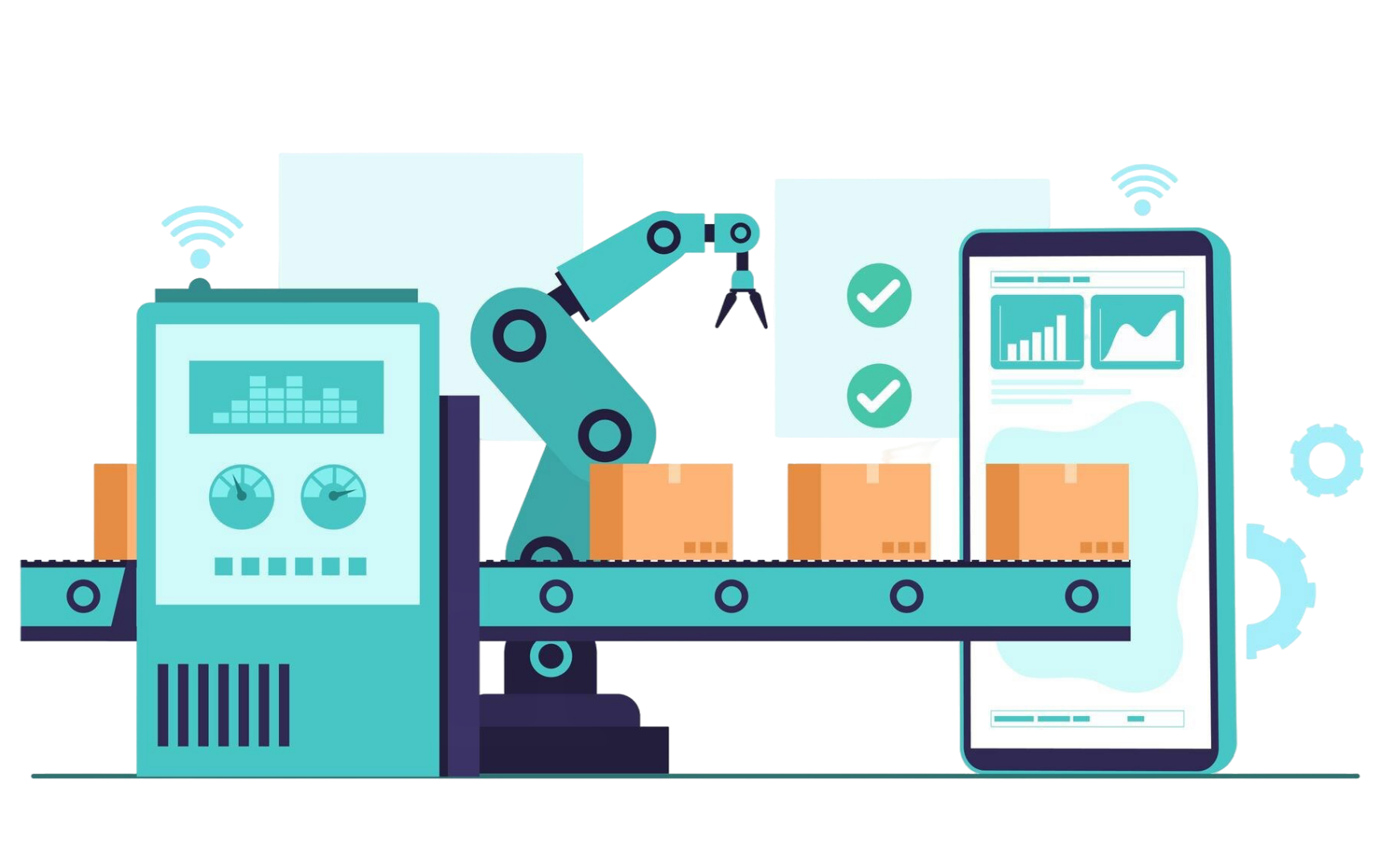
When your factory outgrows rigid SaaS platforms and ERP alone can’t handle plant-level complexity, custom manufacturing software becomes your operational backbone. We build custom manufacturing software that works alongside SAP, MES, and legacy systems, not against them.
Why manufacturers choose us:
- ERP-safe architecture that keeps SAP as your system of record
- Process-first design built for real factory workflows
- Modular solutions that eliminate Excel, WhatsApp, and manual workarounds
- Built by teams who understand manufacturing operations, not just software features


Why Standard Manufacturing Software Breaks in Real Operations
SaaS tools
They aren't designed for plant-level variability; each line, shift, and product has unique requirements
License rigidity
Forces you to pay for features you don't need while lacking the ones you do
Poor ERP integration
Creates data silos between the shop floor and finance
Limited customization
It means workarounds become the norm
Custom Software Development for Manufacturing Environments
ERP-Safe Architecture
- SAP, Oracle, or your ERP remains the system of record
- Custom software sits above ERP as an operational intelligence layer
- No data pollution, clean integration that IT teams trust
- Real-time sync without compromising master data integrity
Process-First Design
- Built around your actual workflows, not generic best practices
- Accommodates line-level variations, shift patterns, and SKU complexity
- Operator-friendly interfaces that reduce training time
- Supervisor dashboards that drive decisions, not just display data
Modular Development Approach
- Start with one critical pain point (quality tracking, production planning, inventory accuracy)
- Expand module by module as ROI proves itself
- Each module integrates seamlessly with existing and future components
- Scale across lines, plants, and geographies without platform replacement
Manufacturing SaaS Companies vs Custom-Built Solutions
Manufacturing SaaS companies serve a purpose, until your operations demand more control, flexibility, and integration depth than their platforms allow.
| Factor | Manufacturing Saas | Custom-Built Solutions |
| Flexibility | Fixed workflows, limited config | Built for your exact processes |
| ERP Compatibility | Often limited, requires middleware | Deep SAP/ERP integration by design |
| Cost (3–5 years) | Recurring licenses + hidden fees | Upfront build + lower maintenance |
| Data Ownership | Vendor-dependent, export limits | Full ownership, audit-ready |
| Customization | Limited to platform capabilities | Unlimited based on requirements |
| Multi-Plant Scaling | Per-seat/per-plant pricing spikes | Built for scale from day one |
| Feature Bloat | Paying for 100 features, using 15 | Pay only for what you need |
The Webanix Difference: We don’t position custom software as an ERP replacement. We build augmentation layers that make your existing tech stack smarter, more connected, and operationally responsive.
Custom solutions work with your SaaS tools and ERP, taking the best of both worlds while eliminating rigid constraints.
Smart Solutions That Power End‑to‑End Operations
Our manufacturing software development company specializes in operational software that connects planning, execution, quality, and inventory across your manufacturing ecosystem.
Production Planning Software
Production planning software that goes beyond ERP MRP to handle real-time capacity, line-level constraints, and dynamic scheduling.
What we build:
- Real-time capacity planning dashboards with line availability, downtime tracking, and changeover optimization
- SAP/MES integrated planning layers that sync production orders while respecting shop floor reality
- Multi-line, multi-SKU scheduling engines that balance efficiency with customer commitments
- Operator-level work order generation with material readiness checks
- What-if scenario modeling for production planners
Impact: Reduce planning cycles from hours to minutes. Eliminate last-minute reschedules. Improve OEE by 12–18% through smarter line utilization.
Quality Management Software for Manufacturing
Quality management software for manufacturing that embeds quality checks into production workflows, not as an afterthought.
What we build:
- In-process quality tracking at every production stage with digital checklists, photo capture, and defect logging
- NCR (Non-Conformance Report) workflows with root cause analysis, CAPA tracking, and approval routing
- Audit management modules for internal audits, supplier audits, and regulatory compliance
- Deviation and change control systems integrated with production and ERP
- Real-time quality dashboards for supervisors and QA teams
Impact: Cut quality documentation time by 60%. Trace defects to root cause in minutes, not days. Pass audits with digital audit trails.
Manufacturing & Inventory Management Software
Manufacturing and inventory management software designed for plant-level accuracy, not just ERP book balances.
What we build:
- Plant-level inventory visibility across raw materials, WIP, and finished goods with real-time location tracking
- ERP-aligned stock accuracy modules that reconcile physical counts with SAP/Oracle automatically
- Material consumption tracking at the line/shift/batch level for accurate costing
- Warehouse management layers for bin locations, FIFO/FEFO, and material staging
- Supplier integration for inbound logistics and material availability alerts.
Impact: Achieve 98%+ inventory accuracy. Eliminate stock-outs. Reduce excess inventory carrying costs by 15–20%.
MES & Shop Floor Systems
Finding the best MES software means choosing solutions that operators actually use, not complex systems that sit unused.
What we build:
- Stage-wise production tracking with operator logins, start/stop times, good/reject counts, and downtime reasons
- Operator-friendly tablet/mobile interfaces with minimal clicks, visual workflows, multilingual support
- Real-time OEE dashboards by line, shift, SKU, with drill-down to root causes
- Digital work instructions with SOPs, images, and video integration
- Andon systems and alert escalation for supervisors
Impact: Improve data capture accuracy from 60% to 95%+. Empower operators with real-time feedback. Enable supervisors to act on issues as they happen, not hours later.
Eliminate manual work, and make better decisions with real-time data?
Built for SAP, MES & ERP-Led Manufacturing
We respect your ERP investment. Our software development for manufacturing integrates deeply with SAP, Oracle, Microsoft Dynamics, and leading MES platforms.
ERP Integration Principles:
- SAP remains the system of record,
master data, financials, and procurement stay in ERP - No data pollution,
custom software reads and writes only what’s needed, with clean data contracts - Secure integration layers,
API-based or RFC connections with role-based access control - Real-time or batch sync,
depending on operational needs and IT infrastructure
IT-Safe, Audit-Ready, Scalable:
- Built on enterprise-grade tech stacks (Azure, AWS, on-premise options)
- Role-based access control aligned with your IT security policies
- Comprehensive audit logs for every transaction
- Designed for multi-plant, multi-region scalability
Security, Governance & Data Ownership
Manufacturing data is business-critical. Our manufacturing software development company builds with security and governance as a foundation, not an afterthought.
Security Features:
- Role-based access control (RBAC) is aligned with organizational hierarchy
- Data encryption in transit and at rest
- SSO integration with Active Directory / Azure AD
- Regular security audits and penetration testing
Governance & Compliance:
- Comprehensive audit logs for every user action, data change, and system event
- Configurable approval workflows for quality, deviations, and change control
- Data retention policies aligned with regulatory requirements (ISO, FDA, GMP)
Data Ownership:
- You own 100% of your data, no vendor lock-in, no export limitations
- Full database access and backup capabilities
- Option to host on your infrastructure or managed cloud
Trust matters. We build software your IT and compliance teams can confidently approve.
Pre-Built Manufacturing Software Accelerators
Our manufacturing digital products aren’t rigid SaaS platforms; they’re accelerators that give you 60–70% of the solution out-of-the-box, then customize the rest for your operations.
Available Accelerators:
- Production Planning Module: Ready-to-deploy scheduling engine with SAP integration templates
- Gate & Logistics Management: Truck scheduling, inbound/outbound tracking, weighbridge integration
- Manufacturing MIS & Control Towers: Executive dashboards for multi-plant operations with KPI tracking
- Quality Tracker Lite: Configurable quality workflows for ISO compliance and audits
Why accelerators matter: Faster deployment (8–12 weeks vs 6+ months). Lower upfront cost. Proven architecture. Room to customize without starting from scratch.
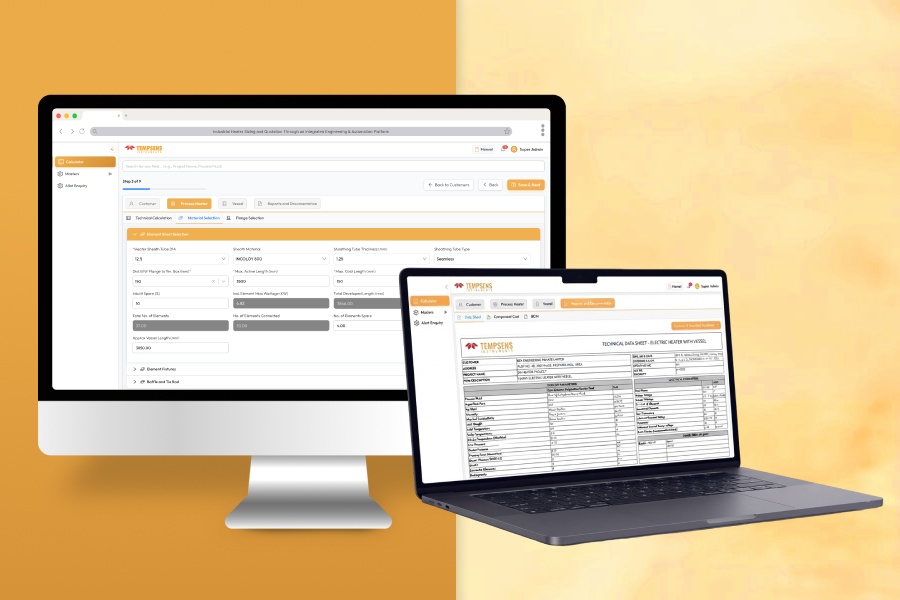
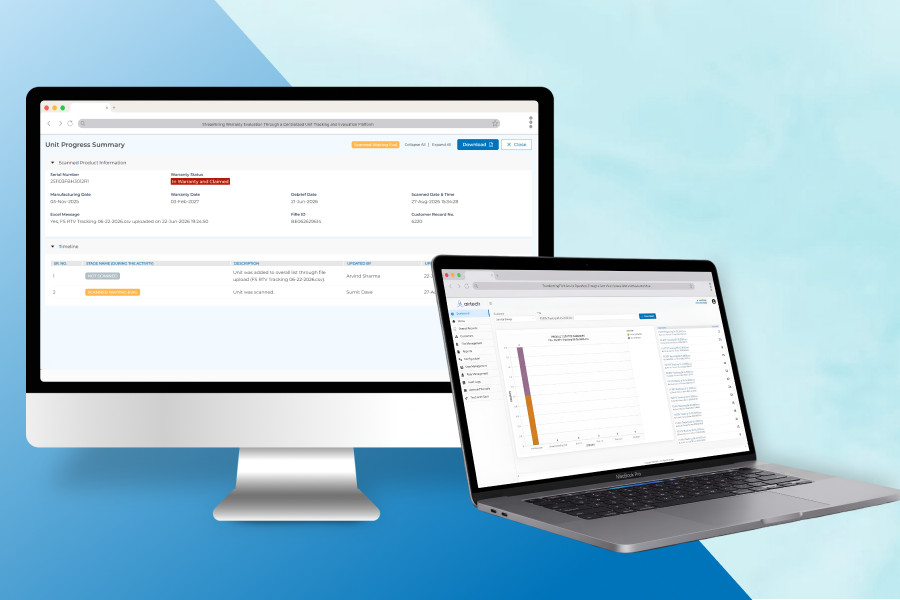
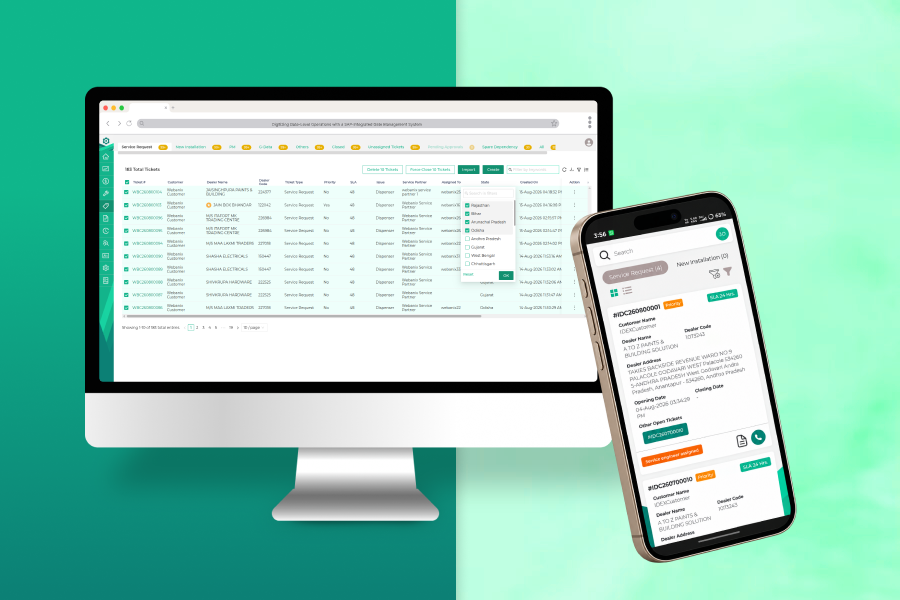
Transformation Journeys With Leading Enterprises
Manufacturing Software Insights & Best Practices
Learn from our experience helping manufacturers move beyond ERP limitations and SaaS constraints.
- All Posts
- AI
- AI SEO
- AI Tool
- ai-tools
- App Development
- Construction Management
- Construction Management Software
- Custom Software Development
- Development
- Digital Marketing
- Digital Transformation
- ERP system
- Executive Search
- Hospital Management Software
- Hotel Management Software
- Industry
- Interoperability
- legacy software
- Manufacturing
- Marketing
- Odoo
- Promote Ecommerce business
- SEO
- SEO vs PPC
- SMM
- Trend 2025
- WEBpm
- Website Development



Frequently Asked Questions
Have questions about our Manufacturing Software Development Services? We’ve answered the most common ones below.
What is a manufacturing software development company?
A manufacturing software development company builds custom software solutions tailored to manufacturing operations. Unlike generic vendors, these companies create bespoke applications that integrate with existing ERP systems like SAP or Oracle, accommodate plant-level variations, and solve specific challenges in production planning, quality tracking, and inventory management. The goal is to create software that fits your factory’s workflows rather than forcing adaptation to rigid platforms.
How is custom manufacturing software different from SaaS solutions?
Custom manufacturing software is built specifically for your operations and integration requirements, while SaaS offers pre-built platforms with fixed features.
Key differences:
- Flexibility: Custom adapts to your workflows; SaaS requires platform adaptation
- Integration: Custom solutions integrate deeply with ERP/MES; SaaS often needs middleware
- Cost structure: Custom has upfront costs but no recurring licenses; SaaS has ongoing subscription fees
- Data ownership: Custom gives full control; SaaS may have export limitations
Feature fit: Custom builds what you need; SaaS bundles unused features
When should manufacturers choose custom software over SaaS?
Choose custom software development for manufacturing when:
- Operations have outgrown SaaS limitations
- Deep ERP integration is required beyond SaaS capabilities
- Plant-level process variations make standard workflows ineffective
- Multiple plants need unified but flexible solutions
- Long-term SaaS licensing costs exceed custom development investment
- Data ownership and security demand full control
- Regulated industries require audit-ready customization
Start with SaaS for basic needs. Move to custom when scaling, integration depth, or operational specificity become strategic priorities.
Can custom manufacturing software integrate with ERP systems?
Yes. The best manufacturing software solutions prioritize ERP integration as a core requirement.
Integration approach:
- ERP remains the system of record for master data and financials
- Custom software connects via APIs, RFCs, or middleware
- Real-time or batch synchronization based on requirements
- Role-based permissions aligned with ERP authorization
- Clean data contracts preventing ERP table pollution
Result: Custom software enhances ERP capabilities without disrupting core processes or compromising data integrity.
What features should the best manufacturing software include?
The best manufacturing software focuses on solving real operational problems.
Core features:
- Production Planning: Real-time capacity visibility, line scheduling, changeover optimization
- Quality Management: In-process inspections, NCR workflows, CAPA tracking, audit trails
- Inventory Tracking: Plant-level visibility, ERP reconciliation, material consumption tracking
- Shop Floor Execution: Digital work orders, operator interfaces, OEE tracking, downtime logging
- Reporting & Analytics: Real-time dashboards, KPI tracking, drill-down capabilities
- ERP/MES Integration: Seamless data sync, role-based access, audit logging
- Mobile Support: Supervisor and operator access from anywhere
- Security: Role-based access, encryption, compliance-ready audit trails
Focus on OEE improvement, quality compliance, inventory accuracy, and planning efficiency.
How does production planning software improve efficiency?
Production planning software transforms planning from manual exercises into real-time, data-driven processes.
Efficiency improvements:
- Faster planning cycles reduce time from hours to minutes
- Better line utilization through real-time visibility
- Reduced rescheduling via scenario modeling
- Material readiness checks prevent stock-out delays
- Multi-SKU optimization balances efficiency with delivery commitments
- Visual dashboards empower supervisors for real-time adjustments
Typical results: 12–18% OEE improvement, 30–50% reduction in planning time, 40–60% fewer schedule disruptions.
How does quality management software support compliance?
Quality management software for manufacturing digitizes processes, creating audit trails and documentation for ISO, FDA, GMP, and industry-specific compliance.
Compliance features:
- Digital audit trails with time-stamps and user-stamps
- Configurable approval workflows matching regulatory requirements
- Document control with version management
- CAPA management with root cause analysis
- Audit-ready reporting, generating compliance documentation in minutes
- Traceability linking quality events to batches and production orders
Result: Pass audits confidently, reduce documentation time by 50–70%, demonstrate continuous improvement with data.
Can manufacturing software improve inventory accuracy?
Yes. Manufacturing and inventory management software closes gaps between ERP book inventory and physical plant reality.
Accuracy improvements:
- Real-time tracking captures movements as they happen
- Digital cycle counting with variance analysis
- Consumption tracking at the line/shift/batch level for accurate costing
- Bin-level visibility beyond plant-level totals
- Automated ERP reconciliation with discrepancy alerts
Typical improvements: Inventory accuracy from 75–85% to 95–98%+, 70–85% reduction in stock-outs, 15–20% decrease in excess inventory costs.
Is custom manufacturing software scalable across multiple plants?
Yes. Well-designed software development for manufacturing solutions are built for multi-plant scalability.
Scalability features:
- Modular design is deployed consistently with plant-specific configurations
- Centralized data model for enterprise reporting
- Role-based access controls visibility at corporate, regional, and plant levels
- Configurable workflows adapting to regional requirements
- Cloud or hybrid deployment scaling without hardware procurement
Benefits: Standardize best practices, enable corporate visibility, reduce IT complexity, and maintain local flexibility.
How long does manufacturing software development take?
Development timelines depend on scope, complexity, and integration requirements.
Typical timelines:
- Single module (quality tracker): 8–12 weeks
- Mid-complexity solution (planning + ERP integration): 4–6 months
- Comprehensive platform (planning + quality + inventory): 9–15 months in phases
Pre-built accelerators can cut development time by 40–60%. Most manufacturers start with one high-impact module, prove ROI, then expand—reducing risk and delivering faster value.
How is data security handled in custom manufacturing software?
Security and governance are foundational to manufacturing software development company solutions.
Security measures:
- Role-based access control aligned with job functions
- Data encryption in transit and at rest
- SSO integration with Active Directory or Azure AD
- Network security with firewalls and VPNs
- Regular penetration testing and vulnerability assessments
Governance features:
- Comprehensive audit logs tracking all actions
- Configurable approval workflows
- Automated data retention policies
- Compliance reporting for ISO, FDA, and GMP audits
Who owns the data in custom-built software?
You own 100% of your data—a fundamental difference from manufacturing SaaS companies.
Ownership details:
- Full access to database structures and raw data
- No vendor lock-in or proprietary formats
- Unlimited export capabilities without fees
- Option to host on your infrastructure
- Backup and disaster recovery under your control
Custom software provides true data sovereignty, critical for compliance, business continuity, and strategic control.
How does manufacturing software reduce Excel dependency?
Manufacturing software eliminates “Excel chaos” by digitizing workflows and automating data collection.
Tasks replaced:
- Production tracking with single data entry instead of spreadsheet consolidation
- Digital quality forms replacing handwritten logs
- Real-time inventory tracking versus month-end Excel reconciliation
- Automated dashboards replacing manual PowerPoint updates
- System synchronization eliminates duplicate data entry
Impact: 50–70% reduction in administrative work, freeing teams for value-adding activities.
How do manufacturers measure ROI from custom software?
ROI comes from efficiency gains, cost reductions, and improved decision-making.
Measurable metrics:
- OEE improvement: 12–18% gains, increasing capacity without new equipment
- Inventory accuracy: 95%+, reducing stock-outs and carrying costs
- Planning time reduction: 30–50% faster planning
- Quality documentation: 50–70% less admin time
- Manual work elimination: Hours saved per shift
- Audit prep time: Weeks reduced to hours
Typical payback: 12–24 months for focused modules, 18–36 months for comprehensive platforms.
What is the role of MES in manufacturing operations?
MES (Manufacturing Execution System) bridges the gap between ERP planning and shop floor reality through real-time production tracking.
Core MES functions:
- Production tracking, capturing start/stop times, and quantities at each stage
- Digital work order management with operator instructions
- Material tracking for batch/lot traceability
- Equipment integration connecting PLCs and sensors
- Real-time OEE and performance monitoring
When MES works well, it eliminates manual data entry and provides production visibility. When MES falls short with complex interfaces or poor ERP integration, custom manufacturing software complements or replaces MES components.
What implementation challenges should manufacturers anticipate?
Well-planned software development for manufacturing projects still faces challenges that proper preparation can mitigate.
Common challenges and solutions:
Change Management: Operators resist new systems after years of manual processes.
- Solution: Involve shop floor teams early, demonstrate quick wins, and provide hands-on training
Data Migration: Cleaning historical data from Excel and legacy systems proves time-consuming.
- Solution: Start with fresh data, migrate historical records in phases
Integration Complexity: Connecting to ERP, MES, and equipment reveals unexpected constraints.
- Solution: Conduct integration workshops early, plan for middleware development
Scope Creep: Mid-project feature requests delay timelines.
- Solution: Prioritize MVP features, park enhancements for Phase 2
Infrastructure Limitations: Plant WiFi, server capacity, and connectivity gaps emerge.
- Solution: Assess infrastructure pre-project, plan upgrades in parallel
Success factors: Executive sponsorship, dedicated plant champions, phased rollouts, realistic timelines, and continuous user feedback.
How can manufacturers get started with custom software development?
Starting your manufacturing software development journey is straightforward.
Step-by-step process:
- Identify the Pain Point: Where are Excel trackers multiplying? Which process has the highest manual effort?
- Consult Manufacturing Software Experts: Share your ERP landscape, describe workflows, and discuss integration requirements.
- Define Scope: Start with a single high-impact module, decide on a custom build versus accelerator approach, set timeline and budget.
- Pilot & Prove Value: Deploy MVP in one line or plant, measure results, and gather user feedback.
- Scale & Expand: Roll out to additional plants, add modules based on ROI, and integrate deeper with ERP systems.
Next step: Book a free consultation to discuss your manufacturing software needs and operational priorities.
Contact Us
Drop us a message, and let’s collaborate to bring your vision to life.