Building an Embedded IT Cell for Manufacturing Growth
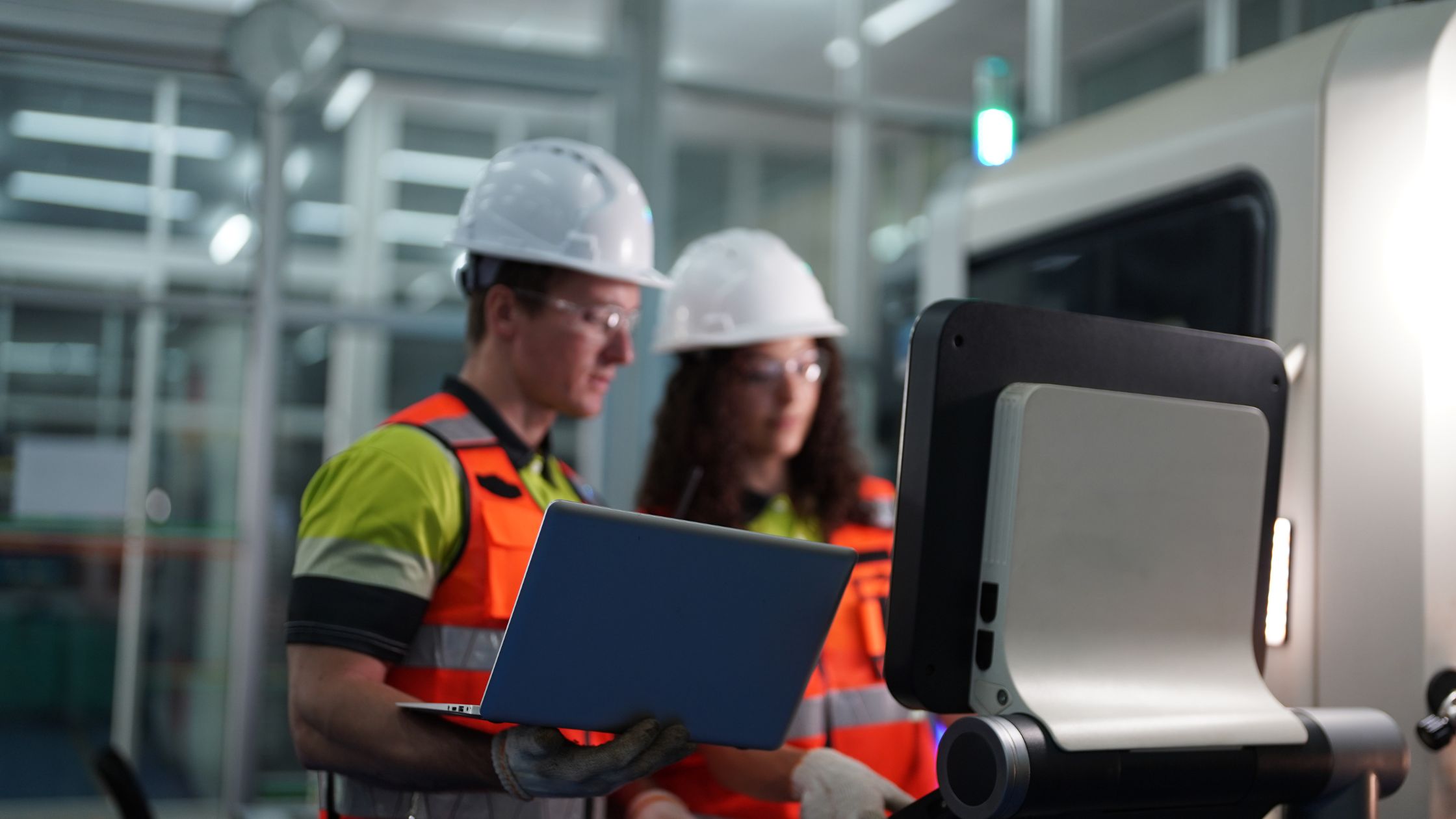
Rather than simply being driven by machines and manpower, manufacturing today involves ERP systems, automation, and analytics dashboards, and integrated supply chain networks. As the digital infrastructure within factories continues to grow, it makes sense that manufacturing entities will require increasingly sophisticated levels of IT leadership within their organizations.
In manufacturing, integrated IT teams are now a strategic imperative. Organizations seeking beyond the boundary of simply integrating technology into their manufacturing processes are required to revamp their IT strategy within manufacturing and develop purpose-built IT structures that integrate with the manufacturing strategy.
In this blog, we explore why factories need embedded IT cells, what they look like, and how they accelerate digital transformation in factories.
Why Manufacturing Now Requires Dedicated IT Leadership
The manufacturing landscape has changed dramatically over the past decade. Digital systems now sit at the core of operations.
ERP Complexity
Today’s sophisticated ERPs come with the ability to integrate modules for managing purchase orders, production planning, finance, inventory, and dispatch. With rapid evolution in ERP systems, the rate at which customizations are required for ERP has also increased, in turn, requiring increasingly more rapid and sophisticated integrations. In the absence of dedicated ERP support, bottlenecks and reporting deficiencies will invariably bring an operation to a standstill.
Automation Growth
The manufacture of traditional production machinery has increasingly incorporated robotics, IoT devices, and fully automated production lines. These technologies require monitoring, maintenance, and continuous optimization – responsibilities that demand skilled IT oversight.
Cybersecurity Risks
As systems become more interconnected, they become more vulnerable to cyber threats. For example, if a production network gets compromised, it can shut down operations, break supply chains, and lead to monetary losses. An organized framework of IT governance ensures that data protection and confidentiality are in place.
Data-Driven Decision Making
Manufacturers depend on data to optimize production via dashboards, analytics, and analytics. The digital transformation of a factory is largely dependent on accurate and prompt data management.
The growing complexity of factory ecosystems makes embedded IT leadership indispensable.
What Is an Embedded IT Cell?
An embedded IT cell is an organized unit in charge of aiding the support, development, and improvement of the systems related to the manufacturing technologies. This deviates from the more traditional approach of IT helpdesk support because they work more in conjunction with production, planning, and leadership teams.
Internal IT Department
For a number of manufacturers, the preference is to develop a fully internal IT department that is in charge of ERP management, infrastructure development, and the management of analytics. This option tends to provide more control but does incur additional staff hiring and training costs.
Hybrid Outsourcing Model
Several organizations tend to work in the hybrid model – one that consists of a small internal team along with several partners for external technical support. This tends to provide more control and provides a more cost-efficient model.
Managed Services Extension
In this case, the technology partner integrates into the company’s IT division and provides continuous IT support for manufacturing, consulting on ERP, and automation.
Each model, based on the level and extent of maturity of the organization, could support the smart factory evolution.
Core Roles in a Manufacturing IT Cell
For an embedded IT cell to work well, it must comprise a combination of a few technical hands and a large number of strategic ones.
ERP Administrator
Responsible for managing the configuration of ERP, module updates, user access, and performance improvement.
Data Analyst
Creates dashboards, analyzes production, and supports decision-making through reports.
Automation Engineer
Responsible for the oversight of the integration of IoT devices, machines, and systems.
Cybersecurity Specialist
Develops and updates security measures, monitors threats, and ensures conformity.
IT Strategist
Defines the alignment of IT within the long-term goals of the firm and also supervises the manufacturing IT strategy.
These roles collectively strengthen operational resilience and enable technology-driven manufacturing growth.
Strategic Benefits of Embedded IT
Establishing a dedicated IT team within an organization offers distinct operational benefits.
Faster Issue Resolution
IT specialists who are familiar with operational workflows can address technical issues quickly to minimize interruptions.
Continuous Process Improvement
An embedded team evaluates system performance and finds areas to optimize.
Improved Production Uptime
Monitoring systems proactively improve uptime and facilitate steady operations.
Stronger Data Governance
Foundations of IT Governance frameworks to improve data governance, accuracy, and security include compliance.
Ultimately, embedded IT accelerates digital transformation in factories by aligning technology investments with production objectives.
Cost vs Value Analysis
Building an IT cell needs investment, though the value is, in most cases, long-lasting.
Internal Hiring Cost
ERP specialists, analysts, and cybersecurity professionals tend to be expensive to recruit, as salaries, training, and retention programs all must be accounted for.
Outsourced Managed IT Comparison
Outsourced managed IT retains the advantage of scalability and wider expertise, but is usually less capable of knowing internal processes.
Hybrid Model Advantages
For mid-sized manufacturers, great cost efficiencies and flexibility are generally noticed in the combination of internal operational knowledge and external expertise that a split system offers.
Considering the cost for manufacturers, beyond staff salaries, lots of lost productivity, the risk of downtime, and the cost of lost opportunities for innovations, must be considered.
Step-by-Step Roadmap to Build an Embedded IT Cell
Establishing an embedded IT structure requires structured planning.
1. Technology Assessment
Evaluate existing ERP systems, automation tools, and infrastructure capabilities. Identify gaps in performance and scalability.
2. Skill Mapping
Determine which competencies are required – ERP management, analytics, cybersecurity, or automation engineering.
3. Governance Framework
Define policies for data access, system updates, and cybersecurity. A clear IT governance framework ensures accountability.
4. Continuous Innovation Strategy
IT cells should not only maintain systems but also drive innovation. Align technology upgrades with long-term manufacturing automation strategy goals.
Following this roadmap ensures that IT becomes a growth enabler rather than a reactive support function.
How Webanix Solutions Acts as an Extended IT Partner
At Webanix Solutions, we help manufacturers establish and strengthen their embedded IT capabilities.
Manufacturing IT Consulting
We design structured manufacturing IT strategy frameworks aligned with operational goals and growth objectives.
ERP Support & Optimization
Our experts function as a dedicated ERP support team, handling integrations, performance tuning, and module enhancements.
Managed Digital Transformation Services
From analytics dashboards to automation integrations, we provide end-to-end services that accelerate smart factory transformation and sustainable growth.
Whether you choose to build an internal IT cell or adopt a hybrid model, Webanix Solutions acts as your strategic partner in enabling technology-driven manufacturing growth.
Ready to strengthen your factory’s digital backbone? Reach out to us today to build an embedded IT ecosystem that fuels operational excellence and long-term scalability.
FAQs
1. What is an embedded IT team in manufacturing?
An embedded IT team is a dedicated group of technology professionals who support ERP systems, automation tools, analytics platforms, and cybersecurity within a manufacturing organization.
2. Why do factories need dedicated IT support?
Factories rely on interconnected digital systems. Dedicated IT support for manufacturing ensures uptime, security, performance optimization, and innovation alignment.
3. Is outsourcing better than building an internal IT cell?
It depends on company size and resources. Many manufacturers benefit from a hybrid model combining internal leadership with externally managed services.
4. What skills are required in a manufacturing IT team?
Key skills include ERP administration, data analytics, automation engineering, cybersecurity expertise, and strategic IT planning.
5. How does IT impact manufacturing growth?
A strong manufacturing IT strategy improves efficiency, reduces downtime, enhances decision-making, and supports scalable digital transformation – directly contributing to sustainable business growth.
Conclusion: IT as a Growth Catalyst
Manufacturing success today depends as much on digital systems as it does on machinery and manpower. An embedded IT team for manufacturing transforms technology from a support function into a strategic growth driver.
By strengthening governance, optimizing ERP systems, enabling automation, and improving analytics capabilities, embedded IT cells create the foundation for continuous innovation and operational excellence.
For manufacturers pursuing long-term scalability, building structured IT leadership is not optional – it is essential. With the right strategy and the right partner, factories can unlock the full potential of digital transformation in factories and achieve sustainable, technology-driven growth.